
Designing a Pet-Friendly Tiny Home in Alaska
A tiny home has a way of making daily routines impossible to ignore. Add pets to the mix, and it becomes clear very quickly how a small space really works, from favorite nap spots to well-worn paths through the house.
With limited square footage, thoughtful design helps keep care simple and spaces clean, creating a home that works comfortably for both people and the animals who share it.
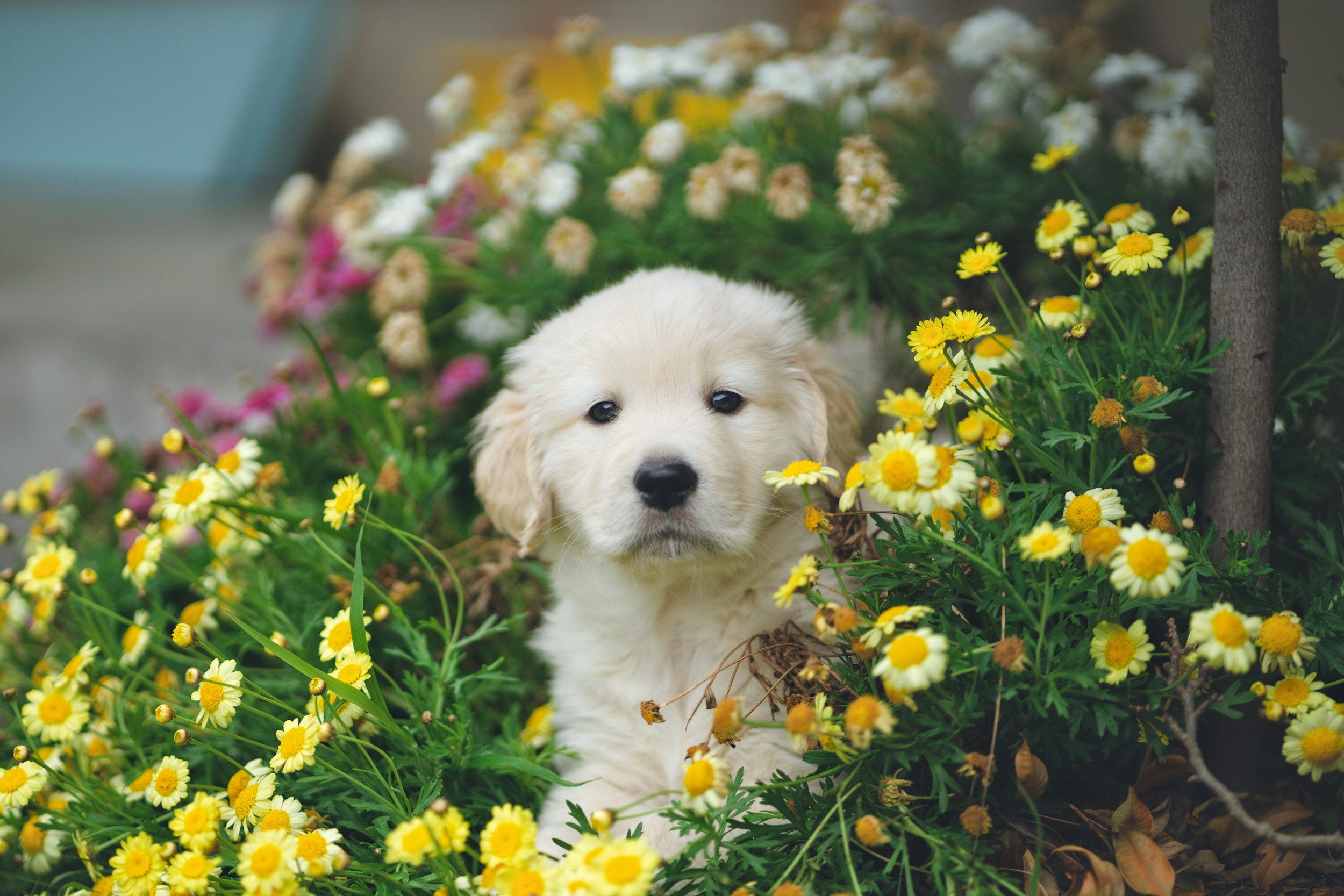
Create an Entry That Manages Daily Mess
The entryway sets the tone for how clean and organized a tiny home feels. A few smart design choices here can prevent dirt and moisture from spreading into the rest of the home.
Entry features to plan for include:
Easy-clean flooring that handles dirt, moisture, and frequent use
A bench or landing area with storage for leashes, towels, and pet gear
A simple paw-cleaning setup, such as a compact basin or sprayer
A rubber mat or tray to catch water and debris before pets move inside
Keeping these elements near the door allows pets to be cleaned and dried before entering the main living area, helping the home stay tidy and functional.
Choose Flooring That Handles Daily Wear
Flooring plays a major role in how easy a pet-friendly tiny home is to maintain. The best choices balance durability, traction, and cleanup while staying comfortable for pets and consistent with the overall design.
Well-suited flooring options include:
Luxury vinyl plank (LVP) LVP offers strong moisture resistance, good traction, and easy cleanup. It holds up well to scratches and spills, making it a practical choice for entryways, kitchens, and feeding areas.
Hardwood flooring Dense hardwood species like maple or birch perform well when properly sealed and maintained. They provide long-term durability and a classic finish while adding warmth and value to a tiny home.
Ceramic tile flooring Glazed, matte-finish ceramic tile can work in select areas when traction and stain resistance are prioritized. Unglazed tiles, including terra cotta, require regular sealing and are more prone to staining and claw damage, making them less suitable for pet-heavy spaces.
Common flooring mistakes to avoid with pets:
Choosing slick, high-gloss surfaces that reduce traction
Using soft woods that dent easily under claws
Installing unsealed or unglazed tile in high-traffic areas
Relying on wall-to-wall carpet that traps hair and moisture
Area rugs and carpet runners help protect high-traffic areas while adding comfort underfoot. Washable options make it easier to manage shedding, spills, and everyday wear.
Use Sleeping Areas That Fit Your Pet and Your Layout
Defined resting areas help keep a tiny home calm and uncluttered. When beds are built into the layout, pets stay comfortable without blocking walkways or daily routines.
Sleeping Spaces for Dogs
Built-in dog nooks under stairs, benches, or counters keep beds out of traffic areas and make better use of limited space. Slightly raised platforms improve airflow and make cleaning easier while helping beds stay dry and tidy.
Resting and Perching Areas for Cats
Cats benefit from vertical spaces that do not take up floor area. Wall-mounted shelves and window perches provide daylight and enrichment, while enclosed cubbies offer quiet, secure resting spots for shy or older cats.
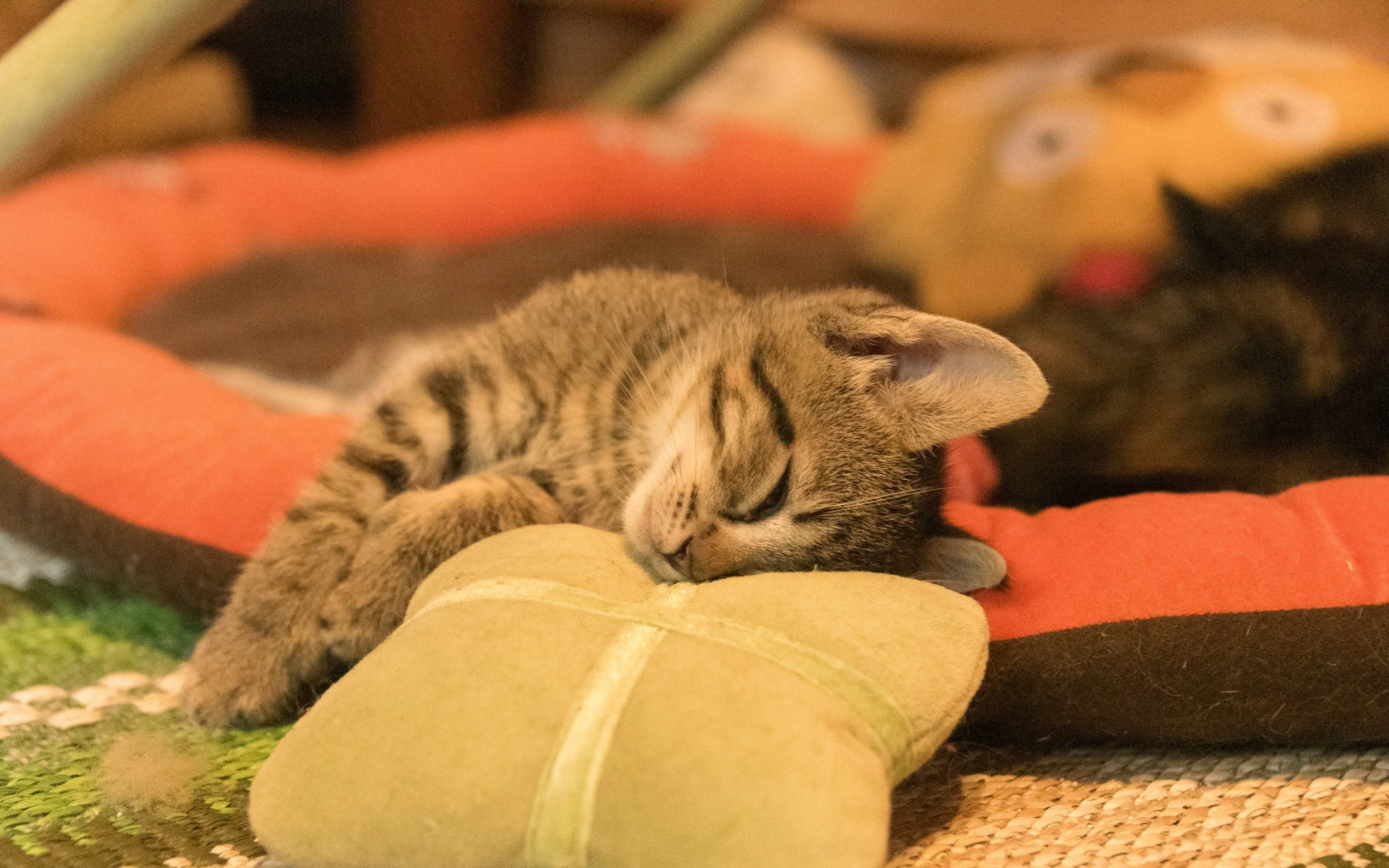
Make It Easy for Pets to Move Safely Through the Home
Movement patterns matter in a compact home. Clear walkways reduce stress for both pets and people, while consistent placement of food, water, and toy storage helps prevent clutter.
For loft access or sensitive equipment, simple barriers or short gates add safety without closing off the space. Matching layout decisions to your pet’s size and activity level helps the home function smoothly day to day.
Add Storage That Keeps Supplies Organized
Pet supplies can take over a tiny home quickly, so intentional storage planning makes a big difference. The goal is to keep daily essentials accessible while preventing clutter from spreading into living areas.
Smart storage solutions for pet-friendly tiny homes include:
Pull-out drawers and bins
These keep food, treats, and grooming supplies contained and easy to access while preventing spills and pests.
Ventilated cabinets for litter boxes
Dedicated cabinets with airflow help control odor while keeping litter contained and out of sight.
Toe-kick and under-bed storage
Often overlooked spaces work well for leashes, crates, waste bags, and seasonal pet gear.
Vertical wall organizers
Hooks, racks, and narrow shelving make use of wall space without taking up valuable floor area.
Thoughtful storage placement keeps pet care routines simple and helps a small home stay organized and functional.
Improve Ventilation for a Healthier Interior
Living in close quarters makes airflow essential in a tiny home. Operable windows bring in fresh air when conditions allow, while kitchen and bathroom fans help control moisture and odors. During colder months, a compact air purifier supports indoor air quality when windows stay closed.
When choosing an air purifier for a tiny home, look for:
A true HEPA filter to capture pet dander and fine dust
An activated carbon filter to help manage pet odors
A washable prefilter to catch hair and extend filter life
These systems work in stages to reduce allergens, control odors, and maintain a cleaner indoor environment without taking up much space.
Let Us Help You Design a Pet-Friendly Tiny Home in Alaska
If you share your home with a pet, you already know their habits shape daily routines. Designing a pet-friendly tiny home starts with recognizing how animals move, rest, and use space in a smaller footprint.

Making those decisions early helps reduce clutter, protect finishes, and keep the home easier to maintain over time. Stitt Construction works with homeowners to plan custom tiny homes that support pets, people, and real life in Alaska.
Contact Stitt today to learn more!
